• Revolutionizing Egg Tray Washing: How Aqueous Cleaning Solutions Drive Food Industry Efficiency

    Revolutionizing Egg Tray Washing: How Aqueous Cleaning Solutions Drive Food Industry Efficiency

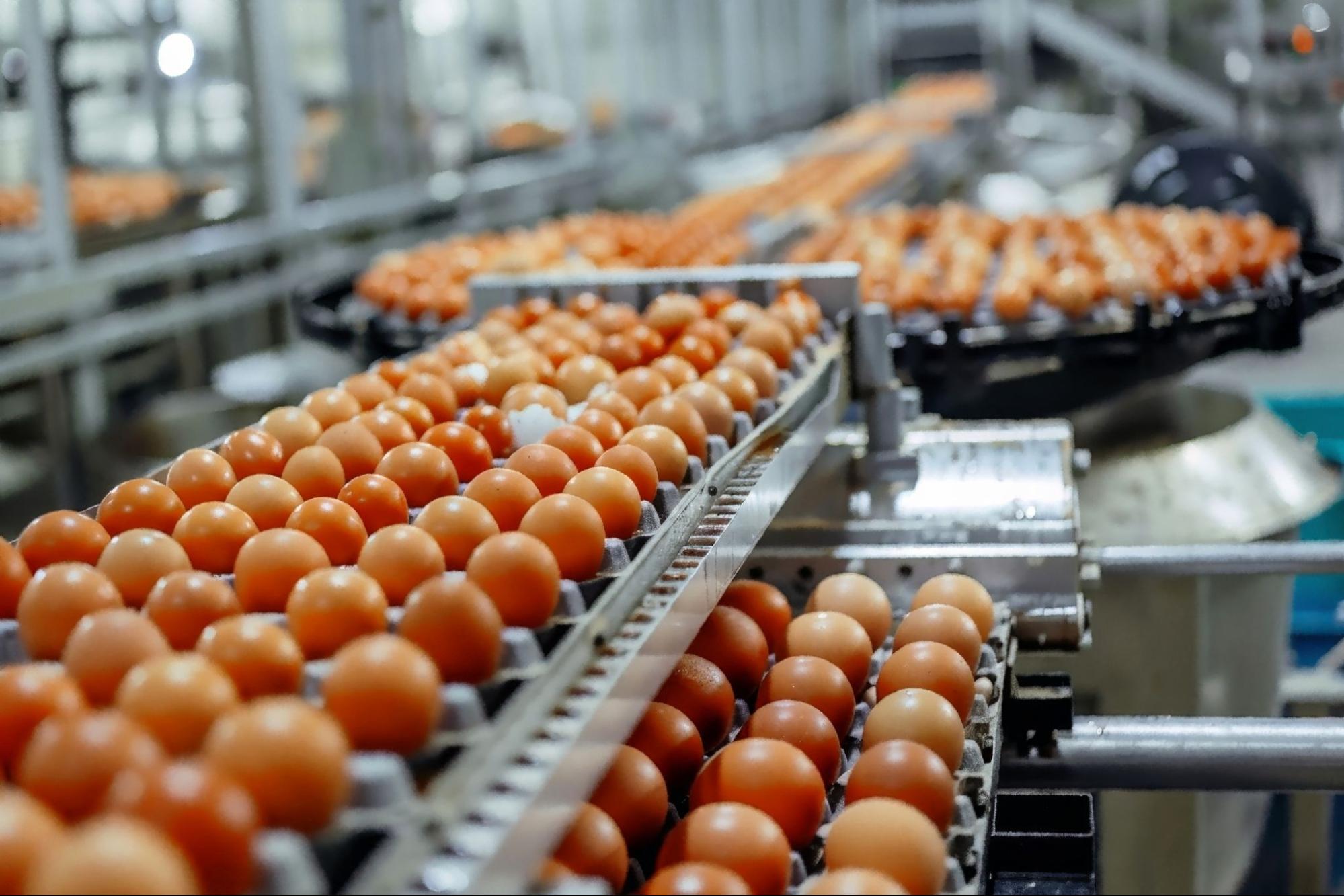
    The egg industry moves at a blistering pace—a symphony of conveyor belts, sorting machines, and packaging systems orchestrating the journey of millions of eggs from farm to table daily. Behind this carefully choreographed production lies an unsung hero: the egg tray. These seemingly mundane plastic and pulp vessels bear an enormous responsibility, shuttling fragile cargo through processing facilities where a single contamination event can trigger devastating recalls and reputational damage.

    At JenFab Cleaning Solutions, we’ve transformed this industry pain point into a competitive advantage. Our industrial-grade aqueous dunnage washers—currently processing over half a million egg trays monthly for Parts Cleaning as a Service (PCaaS) clients—represent the intersection of engineering precision and food safety imperatives. These powerhouse systems don’t just clean; they deliver microbiological peace of mind while tackling the relentless volume demands that would overwhelm conventional washing technology.

    The Critical Role of Egg Tray Sanitation

    Egg trays serve as the primary transportation and storage medium throughout the supply chain. These trays, typically made from plastic or pulp materials, require thorough cleaning between uses to:

    • Eliminate bacterial contamination and prevent cross-contamination
    • Remove egg residue, feathers, and organic matter
    • Maintain compliance with stringent food safety regulations (FDA, USDA, and FSMA standards)
    • Extend the service life of reusable trays
    • Ensure product quality and consumer safety

    The volume of trays processed daily in commercial egg operations makes manual cleaning impractical, while traditional cleaning methods often fall short in meeting both sanitation standards and production demands.

    Why Aqueous Cleaning Outperforms Traditional Methods

    Aqueous cleaning systems like JenFab’s dunnage washers represent a significant advancement over conventional cleaning approaches for several reasons:

    1. Superior Sanitation Results

    Our water-based cleaning processes, combined with specialized food-grade detergents, effectively eliminate 99.9% of common pathogens including Salmonella, E. coli, and Listeria—contaminants of particular concern in egg processing environments. Unlike chemical-heavy alternatives, our aqueous systems achieve these results while remaining safe for food-contact surfaces.

    2. Environmental Sustainability

    Traditional cleaning methods often rely on harsh chemicals that pose environmental and workplace safety concerns. JenFab’s aqueous systems:

    • Utilize biodegradable, environmentally friendly cleaning agents
    • Reduce wastewater contamination through efficient filtration systems
    • Decrease overall water consumption through recycling and recirculation technology
    • Eliminate VOC emissions associated with solvent-based cleaners
    • Comply with increasingly stringent environmental regulations

    3. Operational Efficiency

    Processing upwards of 500,000 egg trays monthly requires exceptional efficiency. Our dunnage washers deliver through:

    • High-volume throughput capabilities
    • Customizable conveyor systems that integrate with existing production lines
    • Reduced labor requirements through automation
    • Precision spray systems that clean difficult-to-reach areas
    • Multiple-stage washing, rinsing, and drying in a single pass

    4. Cost Effectiveness

    Contract cleaning services using JenFab equipment deliver measurable ROI through:

    • Extended tray life due to gentler cleaning processes
    • Reduced water and energy consumption
    • Lower chemical costs compared to traditional cleaning methods
    • Decreased labor expenses
    • Minimized downtime through reliable, continuous operation

    JenFab’s Dunnage Washers: Engineered for Egg Industry Demands

    Our specialized dunnage washers have become the industry standard for egg tray processing due to their purpose-built design features:

    • Customizable tray handling systems: Accommodating various tray designs and materials
    • High-efficiency filtration: Removing egg residue and debris to prevent recirculation
    • Precision spray manifolds: Ensuring complete coverage of complex tray geometries
    • Temperature-controlled wash zones: Optimizing cleaning efficacy while protecting tray materials
    • Integrated drying systems: Ensuring trays are production-ready immediately after cleaning
    • Modular design: Allowing for expansion as production demands increase

    The heart of our systems lies in the engineered spray system that precisely controls temperature and water flow for maximum efficiency and cost savings—a technology particularly valuable in egg tray applications where complete sanitization must be achieved without damaging the trays themselves.

    Parts Cleaning as a Service: The JenFab Advantage

    While many egg producers initially consider in-house tray washing operations, Parts Washers as a Service powered by JenFab technology offer compelling advantages:

    1. Eliminates capital expenditure on washing equipment and facilities
    2. Reduces logistics complexity through scheduled pickup and delivery services
    3. Ensures consistent compliance with food safety regulations
    4. Provides scalability during peak production periods
    5. Delivers predictable operating costs through service agreements

    Our contract cleaning partners leverage JenFab’s equipment to process over 500,000 egg trays monthly—a volume that illustrates both the efficiency of our systems and the industry’s recognition of the value these services provide.

    Beyond Egg Trays: Cross-Industry Applications

    The technology powering our egg tray washing solutions extends to numerous other food industry applications:

    • Meat and poultry processing: Tote pans, containers, and processing equipment
    • Dairy production: Milk crates, cheese molds, and storage containers
    • Produce handling: Harvest bins, transport crates, and display trays
    • Bakery operations: Baking trays, cooling racks, and distribution containers

    Each industry benefits from the same core advantages: superior sanitation, environmental sustainability, operational efficiency, and cost effectiveness.

    The Future of Food Industry Sanitation: Collaborative Solutions

    The food industry stands at a critical juncture where food safety, operational efficiency, and sustainability must converge. Egg producers, dairy operations, meat processors, and other food manufacturers increasingly recognize that specialized cleaning expertise can deliver competitive advantages in all three areas.

    Industry Collaboration Drives Innovation

    The most successful aqueous washing implementations across the food sector share a common thread: close collaboration between equipment engineers and processing experts. This partnership approach has driven several key industry developments:

    • Material-specific washing protocols: Different tray materials (polypropylene, PET, pulp fiber) require tailored washing parameters to maximize sanitation while preserving structural integrity through hundreds of wash cycles
    • Water chemistry advancements: Food-safe detergents now target specific contaminants (protein residues, fats, mineral deposits) without compromising FDA compliance
    • Integration with traceability systems: Modern aqueous washing systems increasingly incorporate batch tracking and validation documentation to support comprehensive food safety programs
    • Closed-loop water recycling: Pioneering facilities now recapture and filter up to 80% of process water, dramatically reducing the environmental footprint of high-volume washing operations

    The Parts Cleaning as a Service Evolution

    Contract cleaning services have evolved significantly from their origins as simple outsourcing operations. Today’s specialized providers deliver comprehensive sanitation programs that include:

    • Microbiological validation testing
    • Preventive maintenance to extend tray life
    • Just-in-time logistics to minimize tray inventory requirements
    • Customized washing protocols based on product type and contamination risk
    • Full documentation for regulatory compliance

    Many egg producers have discovered that these specialized services allow them to redirect capital and management attention to their core competencies—producing, processing, and marketing eggs—while achieving higher sanitation standards than were possible with in-house operations.

    Making Informed Decisions: Key Considerations

    Food processors evaluating aqueous washing solutions—whether through equipment acquisition or contract services—should consider several factors beyond initial price:

    • Total cost of ownership: Energy efficiency, water consumption, and maintenance requirements significantly impact long-term costs
    • Adaptability: As production volumes fluctuate seasonally, washing capacity must scale accordingly
    • Compliance capabilities: Documentation, validation, and traceability features are increasingly essential
    • Technical support: Access to specialized knowledge for troubleshooting and optimization
    • Sustainability impact: Water recycling, energy recovery, and chemical reduction technologies can significantly reduce environmental footprint

    Industry leaders recognize that knowledge transfer is often as valuable as the equipment itself. Processors benefit from relationships with equipment specialists who continuously monitor advancements in food safety science, materials technology, and regulatory requirements.

    After six decades of witnessing the evolution of industrial cleaning challenges, our team at JenFab has observed that the most successful operations maintain consistent dialogue between production teams and cleaning specialists, ensuring that sanitation systems evolve alongside production capabilities.

    Partner with JenFab for Your Tray Cleaning Needs

    Whether you’re a food processor seeking contract cleaning services for your egg trays or a cleaning service provider looking to expand your capabilities, JenFab offers the expertise, equipment, and support to ensure success.

    Our engineers understand the unique challenges of egg tray cleaning and can customize solutions to meet your specific requirements. With a history dating back to 1960 and a focus on aqueous cleaning technology, JenFab remains at the forefront of innovation in this specialized field.

    Connect with an expert to learn more about our dunnage washers or to connect with contract cleaning service providers in your region utilizing JenFab technology.


    JenFab Cleaning Solutions is one of the largest parts washer manufacturers in the United States, specializing in aqueous cleaning systems for various industries including food processing. Our equipment currently processes over 500,000 egg trays monthly through our contract cleaning service partners.
  • 3 Benefits of Gas vs. Electric Heat for Heated Parts Washers

    3 Benefits of Gas vs. Electric Heat for Heated Parts Washers

    Cleaning rests on four factors: time, chemistry, mechanics and, of course, temperature. Heated aqueous parts washers save you time by reducing how long it takes to clean and process parts. 

    Cleaning at higher temperatures increases chemical reaction rates. When you heat cleaning chemistry, the molecules move faster, hastening the chemical reaction between the chemistry and soils. 

    Adding heat speeds up parts cleaning, so it’s important to factor in how your aqueous parts washer will produce heat. Electric parts washers and natural gas-powered parts washers are common choices. 

    Let’s explore the differences between gas and electric heat. Then, you can talk to a parts washer manufacturer about designing your system. 

    Jenfab Cleaning Solutions designs custom parts washers. Contact us today to solve your parts cleaning challenges. 

    Jump to:

    3 Ways to Heat Tank Solution

    An aqueous cleaning system has many components that work together. A crucial part of any system is the solution tanks. The way the cleaning solution flows to and from the tank allows you to filter and recirculate it, reducing replacement costs. 

    From the tank, cleaning solution flows through pumps and sprayers onto the parts inside the machine. The used cleaning solution is filtered and returned to the tank. You should consider how you’ll heat the cleaning solution when thinking about your machine.

    Typically, we heat solution tanks with one of three sources:

    • Steam – Transfers energy from steam created. Uses a condensate return system to collect condensation. 
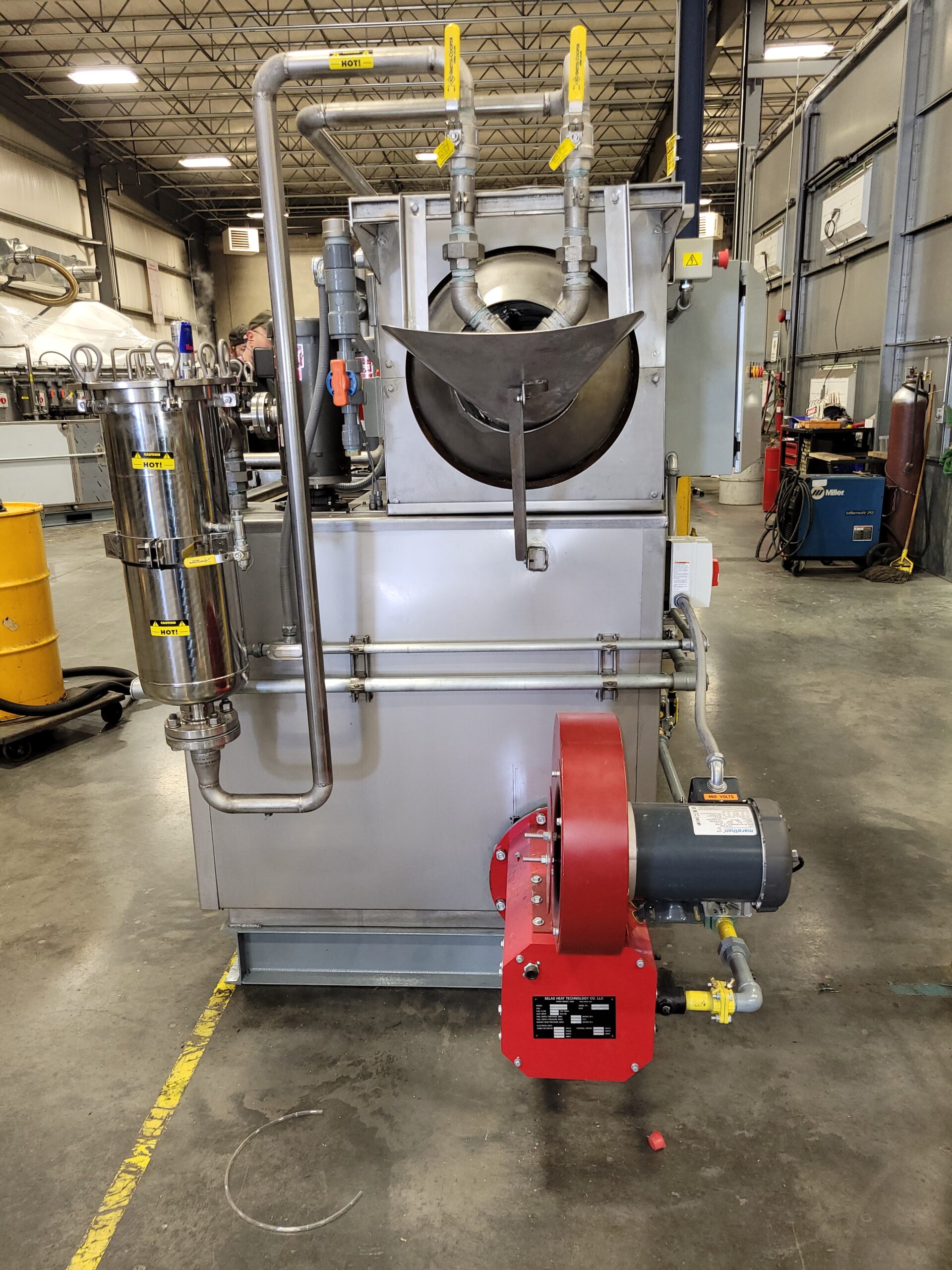
    • Natural gas – Supplies natural gas to a burner that produces heat. 
    • Electricity – Uses electricity to heat solution tanks. 


    Natural gas and electricity are used most often. Many manufacturers find that using natural gas to heat parts washers offers many advantages. However, your facility’s  constraints and capacity can affect your choice when selecting an aqueous parts washer

    Know Your Facility’s Constraints 

    The first thing to consider when choosing whether to use gas or electric heat is your facility’s utility constraints. Today, most facilities have both natural gas and 460V electrical supply, but that doesn’t mean your facility has the necessary capacity. 

    Analyzing your constraints is the first step. Gas burners require a natural gas supply with minimum water column and BTU requirements. Before you pick natural gas to heat your tank, you must ensure your supply can feed a gas burner without starving it. 

    Systems operating on electric heat don’t require natural gas supplies but a larger electrical service. You must understand a proposed system’s full load amp draw and whether your facility can support it.

    3 Benefits of Gas Heat for Parts Washers

    Why choose gas over electric heat? The following are a few reasons why parts washers that heat with industrial gas burners are prevalent across industries. 

    1. Lower Utility Costs 

    The first big benefit of using gas heat rather than electric heat is reduced utility costs. 

    Natural gas parts washers use gas combustion burners. Firing through a burner tube heats the tank. On an electric system, coil elements produce heat. A natural gas system requires significantly less amps to operate. 

    In most U.S. municipalities, natural gas is less expensive than industrial electricity prices. Not only is the service running to a machine using natural gas heat smaller but the FLA is often reduced by more than 50%.

    2. Longer Life Expectancy

    We want to get the most out of our machines. Gas burners and electric heating elements have different life expectancies and maintenance requirements. 

    Over time, electric heating elements wear out. They require regular replacements during the machine’s life. To replace them, you must remove the elements from the tanks—so you must empty the tanks first.

    Gas burners fire through stainless steel tubes that weave through tanks. These tubes are made to last the lifetime of the machine. That means you won’t need to maintain the in-tank tubes like you would with electric heating elements. 

    Industrial burners are located on the exterior of the machine. If you need to service or tune the burner, you can do so without emptying the tanks. 

    3. Reduces Operational Costs

    Your choice between electric parts washers and those heated by natural gas influence your cost of operation. 

    Gas burners pull fewer amps than electric heating elements. Often, natural gas can be less expensive than industrial electricity. With both of these factors in mind, your return on investment with a gas heat source is often realized in the first year. 

    Gas burners cost more up front than electric heating elements, adding to the total cost of your aqueous parts washer. However, when you combine the decrease in amps pulled and the average natural gas prices, companies often see drastic reductions in operational costs. This is especially true for those operating machines in a production capacity. 

    Design Your Heated Parts Washer

    Both electric heat and gas heat have a place in the industry. They both serve their purpose for heated parts washers, but the benefits of using gas heat grow as the size of your machinery grows. 

    Gas heat is often best for large parts washers or machines that will process large part quantities. Before deciding on a machine, discuss your facility’s capacity and cleaning needs with an experienced manufacturer.

    Jenfab Cleaning Solutions will guide you based on your application, budget and constraints. We’ll discover if you need a heated parts washer with a cabinet or an in-line machine that feeds into other equipment. 

    Request a quote online or call our toll-free number at 800-524-9274. Let’s make parts cleaning easier for you!

    This article was written by John Davidson, Chief Commercial Officer of Jenfab Cleaning Solutions. John has been with Jenfab since 2011. He has experience in sales, production and quality capacities. Connect with John on LinkedIn.

    Jenfab Cleaning Solutions is one of the largest parts washer manufacturers in the United States. The company has provided innovative custom cleaning solutions since 1960. Jenfab serves automotive, medical, ammunition, heavy equipment and aerospace manufacturers. 

  • Replacement Parts: Caring for Your Aging Aqueous Parts Washer

    Replacement Parts: Caring for Your Aging Aqueous Parts Washer

    For an aqueous parts washer to run like a “well-oiled machine,” you need to treat it like one. Parts washer maintenance is critical for cleaning efficiency. 

    Worn or broken parts affect your machine’s ability to clean, which costs you more money in the long run. Be prepared by ordering replacement parts. With spare parts on hand, you’ll be back in business in no time. 

    Don’t know where to start? Walk through this list of parts washer parts that often need replacing after 5 to 10 years of operation. 

    Know what you need? You can order spare parts online from Jenfab Cleaning Solutions. Have a bigger issue? We also offer machine repair services.

    7+ Parts Washer Parts to Keep an Eye on

    Everything wears down with use, including the components inside your parts washer. A hiccup with your aqueous parts washer stalls your production line. Don’t be caught off guard when something stops working correctly. 

    Here are seven parts washer components that may need to be replaced in your machine over time. 

    1. Nozzles 

    The nozzles inside your parts washer can get clogged. Debris comes off during cleaning and can recirculate through the sprayer’s nozzles. Abrasive solids can damage nozzles and stop your system from cleaning correctly. 

    When nozzles wear down, the orifice of the nozzle becomes larger. A wider opening changes the pressure of the spray, affecting the machine’s cleaning ability. Stainless steel V-jet nozzles last 8 to 12 years. Brass nozzles last about 2 years. 

    If you need to replace nozzles, mark the old nozzles’ angles before removing them. Each nozzle in your custom parts washer has a specific position. New nozzles should be installed at the same angles. 

    Order new nozzles online here.

    2. Screw Plug Heaters

    No heat? Big problem. Heat increases the cleaning chemistry’s rate of reaction and helps sanitize. Years of use can cause a screw plug heater to burn out or corrode. For example, a 9kw screw plug heater will last 5 to 15 years, depending on the water quality. 

    Most city water suppliers run hard water. Unfortunately, hard water can harm your equipment. When heated, hard water forms calcium carbonate. Buildups of calcium carbonate shorten the lifespan of your heater and reduce the efficacy of the cleaning operation. 

    Whatever the reason for replacement, screw plug heater installation is simple. Screw plug heaters are installed through threaded openings in the tank walls. You can remove your old screw plug heater and install a new one by following these steps:

    1. Turn off the system. 
    2. Remove the old heater from the opening in the tank wall.
    3. Apply a sealing compound to the threads of the new heater. 
    4. Install the new heater in the same threaded opening. 

    Order a screw plug heater today.

    3. Fin Heating Elements & L-Shaped Heaters

    Like screw plug heaters, fin heating elements and L-shaped heaters are affected by the quality of the water running through the system. Most heaters last 5 to 15 years. 

    Calcium carbonate deposits will build on exposed elements if you use hard water. These buildups are more prominent in alkaline systems. Other things, like air pockets, can contribute to a heating element’s burnout. 

    Order new heating elements here.

    4. Float Switches

    Float switches detect water levels. They ensure the tank doesn’t overfill or underfill. Incorrect tank levels can damage your parts washer and the components you’re cleaning. Float switches last anywhere from 5 to 10 years.

    What causes a float switch to go kaput? Poor maintenance and using the wrong type of float switch for the application or electric load can quickly put you back at square one.

    Dirt and debris in the system can also harm float switches or result in inaccurate readings. You must install the appropriate float switch for the type of parts washer you have and monitor it over time. 

    Don’t be left looking for another float switch. Be prepared with a replacement when yours stops working. 

    Get your spare float switch here.

    5. Oil Skimmer Motors

    Oil skimmers are crucial for aqueous parts washers. After cleaning, you need something to remove the oil left behind in the water. When the oil separates, a skimmer picks it up from the surface of the cleaning solution. 

    A motor powers an oil skimmer; like most things, the motor in your oil skimmer will go out one day. The average life of an oil skimmer motor is 10 to 15 years.

    If your motor is approaching 10 years, it’s time to order a replacement, so you’re ready to roll when it stops running. 

    Get a premium oil skimmer motor here. 

    6. Pump Systems

    Without pumps, aqueous cleaning solution wouldn’t circulate through the machine. Pumps bring fresh, filtered cleaning solution into the tank. If you maintain a machine’s pumps, they will last 15 to 20 years. 

    There are several parts related to pumps inside an aqueous cleaning system, including the pump motor, seals, couplings and bearings.

    First, let’s talk about the motor. Three-phase pump motors at 1 to 5 HP last 13 to 19 years. We’ve found that three-phase motors with 5 to 20 HP have the potential to last a bit longer at 16 to 20 years. Pumps and motors have become long-lead-time supply items, so don’t wait too long before swapping them out.

    When should you replace other parts of your pump system? 

    • Seals last 3 to 5 years. If your cleaning chemistry is aggressive, the pump seals may weaken and degrade faster. 
    • Coupling membranes typically need to be replaced after 10 years. 
    • Coupling gear can last 5 years if properly maintained. 
    • Bearings in continuous operation can last 5 years. Pump bearings that aren’t used as often don’t wear down as quickly. Bearings used in non-continuous operations can last up to 10 years. 
    • Sump pumps have an average lifespan of 10 years, but most sump pumps only last 2 to 3 years in industrial operations.  

    Ask our maintenance technicians when to replace parts on your machine. We’re happy to answer questions!   

    7. Filter Bags 

    Companies must replace filter bags more often than other parts washer parts. Filter bags collect debris, ensuring the cleaning solution stays fresh.

    How frequently you replace filter bags depends on the solids in your system. If the parts washer cleans heavy-duty solids, you should replace the filter bag every 3 to 4 weeks. For parts washers performing lighter cleaning, you can replace the filter bag about every 3 months. 

    We recommend following the manufacturer’s instructions and periodically checking the filter bags to find what frequency works for your cleaning system. 

    You can order 200-micron, 100-micron and 50-micron filter bags from Jenfab online! 

    Order your replacement filter socks today. 

    Need Help? Parts Washer Maintenance Services

    After reading this article, you know the average lifespan of certain parts vital to your aqueous cleaning system’s operation. Just because you know when to replace a part doesn’t mean you know how to replace it. Some installations are simple. Others you’d rather pass to a professional. 

    Jenfab Cleaning Solutions offers parts washer maintenance and machine repair services. We help your parts washer perform optimally to prevent future pauses in production. 

    You can call our team with questions or schedule a service visit. Tell us what you need, or have us inspect your parts cleaning machine for wear and damage. 

    Complete the form at the bottom of this page to connect with a technician. You may also give us a call at 800-524-9274. 

  • Common Heat Sources for Aqueous Parts Washers

    Common Heat Sources for Aqueous Parts Washers

    Add heat to any chemical reaction. What happens? The reaction speeds up. Heating your aqueous solution accelerates cleaning, so parts are processed faster and more effectively. 

    Parts washers have heated tanks that maintain the cleaning solution’s temperature. Typical operating temperatures range from 130℉ to 190℉. Other cleaning factors include time and agitation. These factors, combined with temperature and chemistry, work together for optimal cleaning performance. 

    Heat comes from various sources. Learn more about the types of heaters available and how to prevent steam-related corrosion inside a heated parts washer. 

    3 Energy Sources for Heated Parts Washers

    Custom parts washers can be heated with electricity, gas or in-plant steam. Our engineers will design a heated parts washer for your facility according to your requirements and make recommendations for an efficient machine. 

    1. Electric parts washers. Converting electricity into heat is an energy-efficient way to warm the solution tank. Machine installation is easier since you do not need pipes for gas or condensate return systems. 
    2. Gas parts washers. Gas systems provide the highest heat input, yielding shorter warm-up times. If your heated parts washer is gas-powered, you will need access to natural gas at your facility and pipes that connect to the machine’s gas burner. 
    3. Steam parts washers. You can make energy transfers inside your facility with steam. Using steam to heat your parts washer provides high heat and fast recovery times. You will need a condensate return system or pump to collect the condensation generated from the parts washer. 

    Types of Parts Washer Tank Heaters

    There are several ways to heat small to medium solution tanks, including but not limited to the options below:  

    Direct Immersion Heaters

    Direct immersion heaters increase transfer heat by having contact with the liquid. Since direct contact is required, these heaters are installed within the cleaning solution and must remain immersed in the solution at all times. 

    L-Shaped Heaters

    L-shaped immersion heaters, or over-the-side heaters, sit inside the solution tank. They warm the liquid without penetrating the tank walls. Over-the-side immersion heaters distribute heat evenly, so the aqueous cleaning solution maintains its temperature. 

    The heated portion sits along the tank walls or at the bottom of the tank. Maintenance is easy with this type of heater because it is installed at the top of the tank.

    Screw Plug Heaters 

    Screw plug immersion heaters warm small parts washers well. Each tubular heater is welded to an NPT pipe fitting and installed through threaded couplings in the tank walls. The heating element and sheath are immersed in the liquid, while the control or thermostat remains outside the tank.

    Flanged Heaters

    Flange immersion heaters are used for larger containers and are often found in water treatment or petroleum applications. These heaters are bolted or welded to a flange. That flange is then welded or bolted to the tank wall. 

    Indirect Immersion Heaters

    Not all immersion heaters use direct contact with the liquid to transfer heat. Some immersion heaters increase temperatures indirectly. 

    Pipe and infrared heaters are inserted into a pipe before being immersed in the cleaning solution. The heating elements warm the air inside the pipe, and the warmth of the pipe heats the liquid. Pipe heaters are used for low-temperature applications. 

    Reduce Heat Loss: Tank Insulation

    Heat loss is common with spray cleaning. As the cleaning solution contacts cooler air and hits cabinet walls, it evaporates and decreases in temperature.

    Insulating a parts washer’s cabinet and tank can reduce the amount of heat lost during each cleaning cycle. You can achieve the most energy savings by reviewing your parts washer’s heating process and storage. Insulation, shielding and systems that recoup heat make for more energy-efficient cleaning. 

    Exhausting Methods: Designing for Steam Generation

    Hot water and metal aren’t the best combination. Heat accelerates corrosion. 

    As water is heated, it generates water vapor and steam. Aqueous parts washers must include a way to release and recirculate the steam that collects in the cabinet. 

    An excess of humidity can cause rust and corrosion on cabinet walls, turntables and sprayers. Hot steam from a parts washer could harm surrounding equipment or employees working in the area. 

    Cabinet Exhaust Fan 

    Aqueous parts washers may include an exhaust fan with an external duct to reroute steam outside the facility. Exhaust piping can be vented through the ceiling or walls. Steam generated from the parts washer is released away from the production area.

    Since piping is involved, there are costs associated with adding ductwork to your building, and the parts washer will have to remain in one location. Choose a location within your facility that will work best long term. 

    Mist Collection System 

    Instead of releasing steam outside, mist collection systems extract moisture from the steam and return it to the solution tank. Mist collection systems recirculate steam within your facility. The moisture in the air is reduced, but humidity is still released into the production area. 

    External piping and rooftop work are not required for this type of system. A parts washer with a mist collector is not dependent on where exhaust piping can go. You can place your parts washer anywhere and move it around your facility in the future. 

    Mist collection systems are pricier than exhaust fans and may need to be customized to fit your machine.

    Design Your Custom Heated Parts Washer

    Need a new way to clean parts? Add heat to your process! You’ll get a better clean when you add heat to the equation. 

    Not sure what type of heated parts washer you need? We’ve got you covered. 

    Request a quote for a heated parts washer. Our experts will help you design and customize an aqueous parts washer for your application and facility. 

  • Why Is My Aqueous Cleaning Solution Yellow? And Other Issues

    Why Is My Aqueous Cleaning Solution Yellow? And Other Issues

    Aqueous cleaning chemistries are customized for specific applications. Your aqueous cleaner can look dirty or yellowed as it works its magic. Depending on your needs, you may have a spray, immersion or ultrasonic parts washer. Many custom parts washers perform a combination of these cleaning methods. 

    Most of the time, cleaning solutions naturally change color as they work. However, the wrong concentration, temperature or amount of agitation could affect the cleaning solution—or worse, the parts. When your cleaning factors aren’t aligned, your industrial parts washer won’t perform optimally, and it could damage your parts.  

    Quick Guide to Parts Cleaning Problems  

    Problems with your chemistry or cleaning results? You can troubleshoot your aqueous cleaning chemistry by watching for these signs and always following your manufacturer’s recommendations. 

    Yellow or Brown Aqueous Parts Cleaner 

    Inside a parts washer, the cleaning solution is stored in a tank. It flows from the tank through high-pressure spray nozzles. As particles dislodge from the parts, they float in the cleaning solution, which can change the solution’s appearance. All of Jenfab’s aqueous parts washers filter out these soils so the cleaning solution can be reused. 

    Just because your cleaning solution changes color doesn’t mean something is wrong. Most aqueous solutions turn gray or brown, but this doesn’t affect their cleaning ability. Here are a few things to check if the problem persists: 

    • Temperature. The cleaning solution’s temperature could be too high. 
    • Concentration. A high concentration of cleaning chemistry can cause color changes. Be sure to follow the manufacturer’s instructions. 
    • Oxidation. Ambient air can cause oxidation with certain formulas, making the bath appear darker over time.  

    Foaming Aqueous Cleaning Solution 

    A foaming washing machine may be a funny comedy TV bit, but foam inside an industrial parts washer is downright frustrating. What causes a foamy cleaning solution? 

    • Temperature. Foaming can be caused by running the machine at a lower temperature than recommended. Be sure to run the machine at the minimum temperature stated in your safety sheet from the manufacturer. 
    • Type of soils. Lubricants or buffing agents could be the culprit. Natural oils or fats covering the parts can cause foaming. 
    • Oversaturation. Defoaming agents within your cleaning chemistry don’t work well if they are greatly overpowered by soils. Too many soils in the solution may override defoaming agents for a frothy bath. 

    You can determine if there is too much soil in your cleaning solution by taking a sample. Soils will congregate at the bottom of the sample over time, while grease and oil will float to the surface. When cleaning seriously soiled parts, you can wipe off heavy grease and oils beforehand to minimize soil saturation in the cleaning solution.

    Rainbow Pattern on Parts Post Cleaning 

    Rainbow patterns on parts typically relate to temperature, not good luck. If your metal parts develop rainbows, the aqueous cleaning solution or dryer temperature is too high. Keep in mind that raising the temperature by 17℉ can double reaction rates. Softer metals can be damaged by heat and aggressive chemical reactions. 

    Parts Are Darker After Cleaning 

    Have you noticed parts appear darker after being cleaned? You may be using the wrong type of chemistry or too much of it. Analyze these three factors: 

    • Temperature. Certain metal finishes can be altered by temperatures that are too high. Review your manufacturer’s directions to clean parts at the appropriate temperature. 
    • Concentration. Using too much cleaning chemistry at once can affect the parts. Be sure to only use the recommended amount based on the number of parts you are cleaning. 
    • Chemistry Type. Your current cleaning chemistry may not be the right fit for what you want to clean. A more aggressive chemistry can damage materials. Ask your manufacturer to test wash your parts to ensure the chemistry works as it should. 

    Starburst Pattern on Parts Post Cleaning 

    Are you seeing stars? That’s not a good thing. Starburst or spider web patterns on parts likely come from ultrasonics. An ultrasonic device emits sound waves that cause water molecules to implode upon impact. When the water molecules hit the parts, they knock off soils and particles. 

    If you’re seeing starburst patterns, your current ultrasonic frequency may be inappropriate for the parts you are trying to clean. Typically, lower frequencies knock off large soils, and higher frequencies target particles at the sub-microscopic level. Refer to your manufacturer’s directions on how to use your parts washer.

    Parts Appear Pitted After Cleaning

    Pitting is a type of corrosion that breaches a metal’s surface. Metals like aluminum and stainless steel can develop pits when their passive, oxide film is damaged. Pitting occurs if the damaged film does not immediately passivate again. Pits can be of any width or depth. 

    If your parts have small holes or cavities after cleaning, your cleaning chemistry is too aggressive for the part’s material. Check with your manufacturer to ensure you’re using the right concentration, or speak to an expert about changing your chemistry and cleaning process. 

    Make the Most Out of Your Aqueous Cleaning Chemistry   

    Aqueous parts washer solutions last longer than petroleum solvents. Water-based cleaning chemistries can be reused more often, cutting down on your company’s chemistry and waste disposal costs. Maintaining your aqueous cleaning solution is key to extending its life. 

    Here are a few ways to keep your aqueous parts cleaner fresh for longer: 

    • Use a filtering system. Polypropylene filter bags collect particles and debris to keep your tank clean. Catch larger particles and those as small as 50 microns so they don’t dirty up your cleaning solution. 
    • Get an oil skimmer. Oils left in your cleaning solution will leave residue on parts. If you’re cleaning oily or greasy parts, an oil skimmer will remove floating oils from the surface of the tank. 
    • Change solution based on performance. Don’t change your solution on a scheduled basis. If you do, you may be costing yourself money. Only replace the solution when you notice a decline in performance. 
    • Monitor the concentration. You may need to add chemicals as you use and reuse your cleaning chemistry. Additives help maintain the cleaning solution’s strength. You should review your manufacturer’s directions and test your cleaning solution before applying additives. 

    Your parts washer also plays an important role in cleaning performance. Maintain your parts washer by scooping out sludge build-up, checking the nozzles for wear, and removing deposits from heating elements. 

    Step up your parts cleaning. Jenfab Cleaning Solutions builds custom industrial parts washers. We test wash your parts for free upon request, so you can see how well our aqueous cleaning systems work.  

    Request a quote today. Tell us about your application, and our experts will design a parts washer tailored to your requirements. 

  • What Is Precision Cleaning?

    What Is Precision Cleaning?

    There’s a difference between parts cleaning and precision parts cleaning. Many manufacturers only need to rinse off soils. Others need to remove soils at the microscopic level. Precision cleaning does just that. 

    What is precision cleaning, and what does it entail? From typical industry applications to required testing and verification, let’s walk through what you need to know about precision parts cleaning.

    Jump to:

    Precision Parts Cleaning: What Is It? 

    Precision parts cleaning targets soils down to micrometer-sized particles. All soils are removed with an extreme degree of accuracy.

    Multiple mechanical actions may be present for precision cleaning. If you use an aqueous parts washer, the machine may combine spray, agitation and ultrasonics. There may be multiple cleaning tanks so that the parts receive several rinses.   

    Parts that require precision cleaning include rocket launching components, electronic chips and biotech parts. Without exact, down-to-the-micron cleaning, these components would not function properly. Depending on the industry, failed parts could cause injuries and deaths. 

    How Big Is a Micrometer? 

    A micrometer, or micron (µm), measures particle size. Cleaning at a microscopic level means analyzing microns. Just how big is a micron in inches? One inch is equal to 25,400 microns. 

    Let’s put that into perspective. A single strand of human hair is about 50 to 100 µm, while one grain of table salt is about 40 µm. A single silky thread from a spider web could be 2 to 3 µm in diameter. The smallest particles we can see with the human eye are around 40 to 50 µm. 

    Micrometer measurements help you select appropriate filters. In an aqueous parts washer, filtering systems restore the cleaning solution and keep unwanted soils from hanging around. The smaller the micron filter rating, the more materials it will remove. A smaller number refers to catching smaller particles. 

    Applications for Precision Cleaning 

    Medical, aerospace and military manufacturers must meet stringent standards. These standards can be set by the client, industry or a larger regulatory organization. Products must follow guidelines set by the American Society for Testing and Materials (ASTM), Institute of Environmental Sciences and Technology (IEST) and U.S. Food & Drug Administration (FDA).  

    Precision Cleaning Aerospace Parts

    Precision cleaning aerospace parts helps keep people safe. Airplane, helicopter and spacecraft pilots and passengers put their trust in the machines they fly or use to travel. As aerospace parts become more complex, manufacturers need cleaning methods that meet strict standards. Dirt caught inside aircraft parts could fracture and damage machinery. 

    Many aerospace parts use aluminum alloys that can damage easily during cleaning and processes like welding. Aluminum must be cleaned initially to remove soils and again to remove surface oxides. Failing to clean the surface before welding could result in weld porosity and cracks.

    Cracks or flaws in aerospace parts are detrimental to the people relying on them. If landing gears fracture, they may refuse to deploy, strike at the wrong angle or fail to retract. When landing gears don’t extend, pilots must try to land safely without them. Belly landings damage the aircraft and put everyone on the aircraft in danger. 

    Precision Cleaning Medical Implants & Equipment

    The medical industry requires precision cleaning to remove contaminants and avoid exposing them to patients. Medical equipment and implant manufacturers often need multi-stage cleaning processes and ultrasonics. If not adequately cleaned, medical equipment could stop working, give incorrect readings or spread disease. 

    Medical devices, such as knee and hip implants or artificial heart valves, are placed inside the human body. Tiny metal shavings or residue from polishing pastes pose health risks to the individual receiving the implant. Medical implant cleaning is crucial to prevent infections and death.

    Temporary stainless steel implants must undergo passivation, removing free iron from the part surfaces. According to ASTM specification A967, passivation can be done with a nitric acid solution, citric acid solution or electrochemical treatment. Parts must be rinsed immediately following their exposure to the passivating solution. 

    Other Applications for Precision Parts Cleaning  

    Precision parts cleaning is also necessary for defense, electronic and pharmaceutical industries. Printed circuit boards (PCBs) utilize precision cleaning before installation, and components for jewelry are cleaned for better aesthetics. Often, optical parts like lenses or fiber optics require spot-free precision cleaning. Even the automotive industry may require precision cleaning for fuel injectors, compressors or sensors. 

    Methods to Precision Clean Parts

    Once you know you need precision cleaning, the next question is how you will clean. What you use to achieve the clean you need varies by the part’s composition and cleanliness requirements. You may wish to clean a few parts manually or clean numerous parts automatically.

    Before making a decision, you should consider the following: 

    • Part material
    • Part geometry 
    • Soil composition 
    • Amount/level of soils 
    • Cleanliness requirements

    Wipes & Brushes

    You can clean parts by hand using lint- and particle-free wipes and brushes. Usually, this rudimentary cleaning method is reserved for small volumes of delicate parts. Cleaning parts by hand is labor-intensive and time-consuming. 

    Spray Equipment & Rinses

    Manually spraying or rinsing parts is another way to clean. Spray bottle cleaning or pressure washers blast off soils, aiding the cleaning agent in its work. With this method, it’s more difficult to save and reuse the cleaning agent. Manual spray cleaning requires an operator and plenty of cleaner, so labor and material costs can be expensive over time. 

    Aqueous Parts Washers

    An aqueous parts washer makes precision cleaning easy and cost-effective. With a parts washer, you cut down on the time and labor it takes to clean. Aqueous parts washers are automatic, making them an excellent choice for precision cleaning large volumes of components.

    Ultrasonic Cleaning

    For precision cleaning, parts washers are often designed with ultrasonics. Components with complex threads, rough surfaces or blind holes benefit from liquid cavitation. 

    Ultrasonic cleaning removes finer particles by emitting sound waves into the aqueous cleaning solution. These sound waves cause water molecules to implode when they strike an object. As the water molecules implode, they send shockwaves through the parts, loosening debris.

    Standard ultrasonic frequencies range from 25 kHz to 40 kHz. Higher frequencies are more effective at removing sub-microscopic particles. 

    Testing & Verifying Precision Cleaning 

    Precision cleaning goes beyond cleaning parts. The process includes testing and verifying cleanliness afterward. 

    Contaminants must be measured. Even if a part looks clean, particles or residues may still cover it. Customers may require Millipore testing, particle count analyses and non-volatile residue testing to confirm the part’s cleanliness. 

    The Institute of Environmental Sciences and Technology recommends cleaning practices in IEST-STD-CC1246E, titled “Product Cleanliness Levels – Applications, Requirements and Determination.” By this standard, precision cleaning is achieved by verifying that solid contaminants and residues are less than one micron

    Particle Count Analysis 

    How many particles are on the part’s surface? A particle count analysis gives you the exact number and size of the contaminants that remain after cleaning. The results of the analysis inform whether or not you need to try a different cleaning method. 

    Particle count testing measures solid contaminants and fibers by collecting a volume of solution based on the wetted surface area of the part. The solution is filtered through a 0.45 µm (micron) filter. Then the filter is examined under a microscope. The tester counts the number of particles and measures each one down to 10 µm. 

    Particle count analyses are performed before and after cleaning to compare the difference between the soiled and cleaned parts.

    Gravimetric Non-Volatile Residue (NVR) Analysis  

    The non-volatile residue test method, also known as the NVR test, measures the residues that remain on the cleaned part. Residues are shapeless, sticky, semi-liquid contaminants. Often, residues in precision parts cleaning are hydrocarbon oils and greases. 

    The first step in an NVR test is to collect a sample of the cleaning solution and residue, filtering it to remove solid contaminants. Then the sample is placed on a weighing dish and evaporated for a higher concentration of residue. Once the sample dries, it is weighed—subtracting the weight of the dish. The resulting number is the mass of the residues left on the cleaned part. 

    Ultraviolet Light Inspection

    You can also use ultraviolet light (UV) to verify part cleanliness. Most hydrocarbon oils and greases will show up under ultraviolet light. The light causes these contaminants to fluoresce so you can see them with the naked eye. Particle count testing and NVR tests are more effective when you need to know exact measurements. 

    Precision Cleaning Parts Washers 

    Choose a precision cleaning method that saves your team time and effort. Aqueous parts washers automate the cleaning process, improving production and paying for themselves over time. Jenfab’s precision parts cleaning systems are proven to be effective by companies across industries. 

    Check out two of our top precision cleaning machines: 

    • LeanClean 360. The LeanClean 360 is perfect for precision batch washing. Parts with complex configurations and cavities are cleaned with a combination of spray, immersion, ultrasonics and a rotating basket.  
    • Vertical Agitation Washers. For continual precision cleaning, a custom vertical agitation washer effectively cleans small- to large-sized parts. These parts washers combine immersion, up and down agitation, and rotation to flush out recesses and blind holes.

    Jenfab Cleaning Solutions approaches all projects with a custom-first mindset. We can add ultrasonic cleaning to almost all of our parts washers. Ultrasonics can be easily added to monorail washers, rotary drum washers and conveyor belt washers

    Test Wash Your Parts (for Free!)

    Before buying an aqueous parts washer, you want to confirm its effectiveness. What better way than to test wash your parts? After all, your components need to meet stringent standards to function correctly and keep people safe. At Jenfab Cleaning Solutions, we put your precision cleaning parts washer to the test.

    Our in-house test lab analyzes your parts before and after cleaning—for free. Simply request testing and mail us your parts. We’ll provide a detailed report with the particle count, size of debris and total molecular weight of the soils.    

    Request a quote. Improve your precision cleaning process with a custom parts washer from Jenfab Cleaning Solutions.   

  • Best Ways to Clean Engine Parts for Remanufacturing & Rebuilds

    Best Ways to Clean Engine Parts for Remanufacturing & Rebuilds

    Automotive remanufacturing is on the rise as more people worldwide keep cars for extended periods of time. Personal vehicles and semi-trucks age, and they need high-quality replacement parts to keep operating. Remanufacturers fill this need with gasoline and diesel engine parts that meet or exceed the original equipment manufacturer’s standards.

    All automotive remanufacturers and service shops need to clean engine parts efficiently. Before engines are restored, companies need to degrease used engine parts and remove residue or dust from machining.

    Aqueous parts washers clean engine components to better performance and meet exacting standards. How do you choose an engine parts washer? What are your cleaning options? Learn more about parts cleaning for engine remanufacturing and rebuilds.

    In this article, we dive into the following topics:

    Market Outlook: Older Cars Cruise Our Streets

    The demand for remanufactured automotive parts is growing. As more people across the globe obtain cars, the number of vehicles over 10 years of age increases. Americans are holding onto personal vehicles for longer than ever. In 2020, the average age of a car on American roadways was 12 years old. 

    The Need for Remanufactured Auto Parts

    Older cars require replacement parts as components wear and break down. When older cars dominate the roads, remanufacturers have the opportunity to sell more parts to customers looking for affordable replacements. Remanufactured automotive parts only cost 50% to 70% as much as OEM parts—a big benefit for customers in need of repairs.

    Market for Engine Components

    Gasoline and diesel engines are a large portion of demand. Engine parts make up 30% of the value share of the automotive remanufacturing industry. 

    These components could be small fasteners or larger parts like cylinder heads and engine blocks. No matter the type or size of the part, all engine parts need to be cleaned before reaching customers.

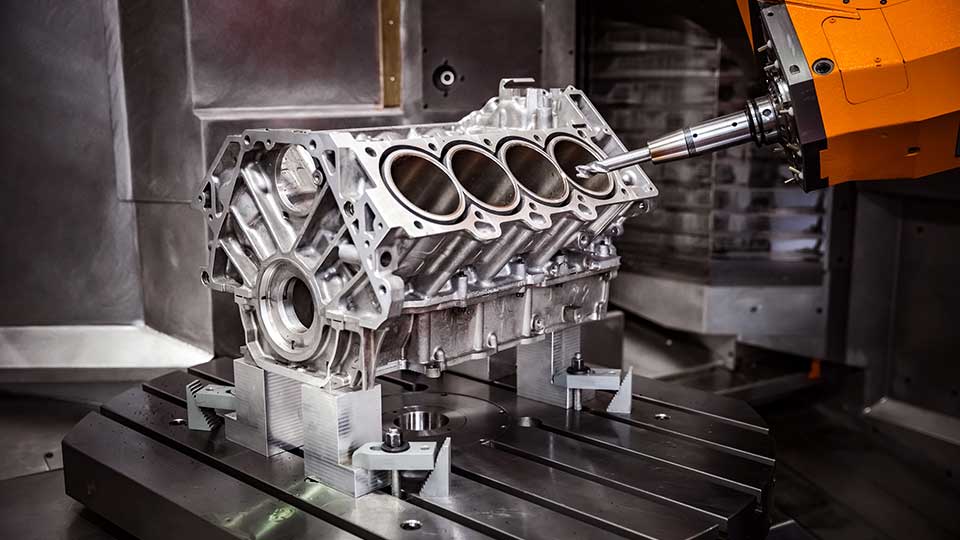
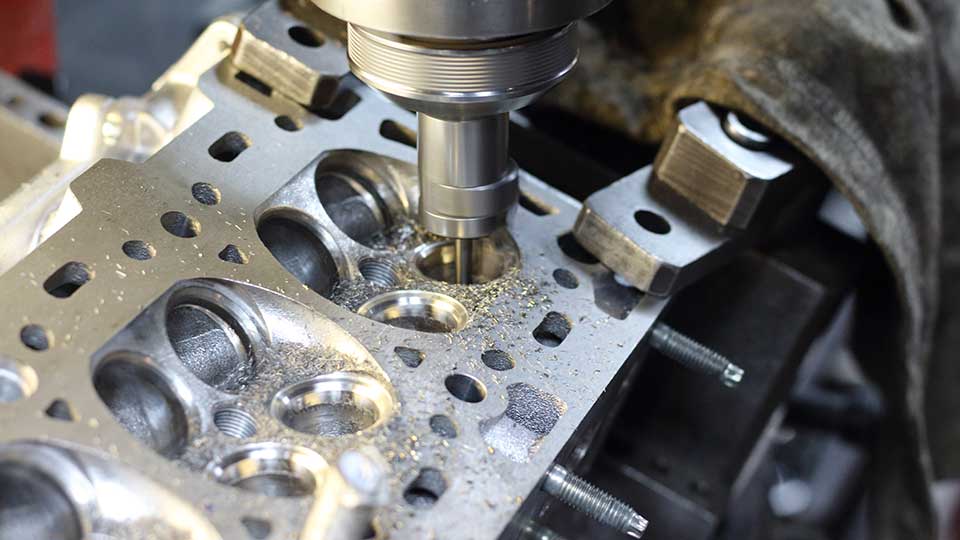
    Cutting an remanufactured engine with a CNC milling machine.

    Cleaning Engine Reman Parts

    Automotive remanufacturers restore used gasoline and diesel engine components, using the core part to produce pieces that meet or exceed OEM standards. Remanufactured engine parts feature the latest updates and design changes. 

    Electronics play a more significant role in engine remanufacturing than ever before. Electronically controlled engines typically have simple injector settings, and problems are easy to diagnose if companies have the right equipment.

    Engine remanufacturers must meet stringent tolerances and finishes. Newer engines specify tighter tolerances and higher cleaning standards. Particles as small as 20 microns have been known to cause problems in newer fuel systems. 

    Effective parts cleaning removes contaminants left from machining. Automotive parts washers can achieve the cleaning requirements remanufacturers need.

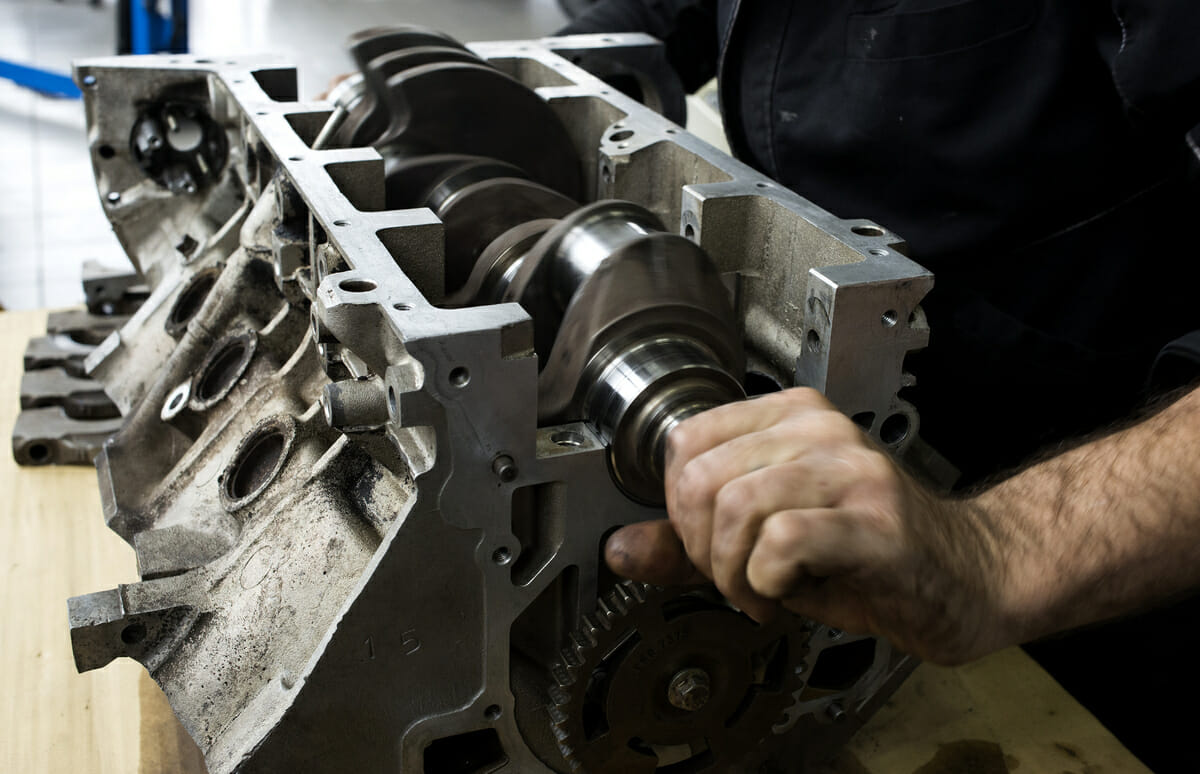
    Automotive mechanic adjusts the cylinder head on a greasy engine block.


    Cleaning Engine Parts for Rebuilds

    Degreasing engine parts for rebuilds is a time-consuming task. Automotive service shops spend more than 15% of production time cleaning parts. 

    Some shops may spend 20% to 30% of total overhead expenses on parts cleaning alone—especially if cleaning is done manually. Cleaning can become a costly endeavor when you add up time, labor, material and equipment expenses.

    Mechanics and other service employees have close contact with engine parts. Many service shops look for safer, less toxic cleaning processes to protect employees and reduce waste disposal costs. Aqueous parts washers easily automate the cleaning process and help your team degrease engine components.

    How to Wash Engine Parts   

    How to Clean Engine Parts Before Machining

    Whether remanufacturing or rebuilding engines, cleaning is often the first step in the process. Contaminants could harm your machining equipment and make it difficult to work on the part. 

    An initial wash removes built-up dirt, grease and carbon deposits before machining. Once engine components are clean, you’ll be able to spot hairline cracks or flaws on the part’s surface so that you can address them.

    How to Clean Engine Parts Before Assembly 

    Cleaning parts is a crucial first and final step. Parts get messy during cutting, machining and grinding. You must remove cutting lubricants, metal chips and other types of debris from the parts.

    Anything left on the parts could damage the engine later. Honing residues can damage rings. Metal chips can get trapped in the passageways of cylinder blocks. When you know how to clean engine parts before assembly, you prevent potentially harmful contaminants from ending up inside the engine.

    Closeup photo a remanufactured engine cylinder head at a CNC machining station.

    Engine Degreasing & Cleaning Options

    There are many ways to clean and degrease engine parts. Finding the best automotive parts cleaning equipment for your application can be challenging. Some techniques and cleaners are safer or more effective than others. 

    Don’t: Use Mineral Spirits to Clean Engine Parts

    Mineral spirits as an engine parts cleaner? No, thank you. Mineral spirits are 100% petroleum distillates. While inexpensive and effective, mineral spirits expose employees to toxic fumes. These fumes can cause vomiting, headaches and loss of coordination.

    Mineral spirits are considered volatile organic compounds (VOCs), which are carbon chemicals that evaporate immediately. Since these petroleum-based solvents evaporate quickly, it is difficult to control exposure. Mineral spirits are also highly flammable, increasing the risk of fire and explosions. 

    Don’t: Try Kerosene to Clean Engine Parts

    Kerosene may be a common engine parts cleaner, but it isn’t very effective at removing heavy grease. Like mineral spirits, using kerosene to clean engine parts is dangerous. Kerosene is flammable and toxic if inhaled. The compounds that make up kerosene, such as naphthalene and benzene, can cause health risks after prolonged or repeated exposure. 

    Don’t: Clean Parts by Soda Blasting 

    Sodium bicarbonate, or baking soda, can be used to blast part surfaces and remove dirt. Baking soda is a softer material, so soda blasting doesn’t etch part surfaces or leave residue behind. It’s also non-flammable and non-toxic. The downside? Soda cannot be recycled or reused. 

    Do: Switch to Aqueous Parts Cleaning  

    The best way to clean engine parts is with an aqueous parts washer. Aqueous cleaning does away with toxic solvents. 

    Aqueous parts washers clean using a water-based solution and high-pressure spray, immersion or agitation. Without releasing toxic fumes, aqueous parts washers clean engine components as effectively—if not better—than solvent-based washers.  

    Automotive remanufacturers can reuse the aqueous cleaning solution to reduce disposal costs, material expenses and freshwater usage. Filters and oil coalescing systems prolong the life of the solution by removing oil. 

    Best Automotive Parts Washers for Remanufacturing

    These aqueous parts washers excel at cleaning remanufactured automotive parts. Jenfab designs engine parts washers to your exact specifications. We can custom-build a machine to wash a specific engine component or design a system to clean several different parts.aConveyor Belt Part Washers 

    Belt washers integrate seamlessly into your workflow to clean large volumes of freshly machined parts. Engine components can move directly from CNC machining stations to the belt washer using pick and place robots. Customize the number of wash, rinse and dry tanks you need to get the best clean possible.  

    LeanClean 360 Part Washers

    The LeanClean 360 is a rotary basket parts washer that comes in multiple customizable size categories. Place parts in baskets and let the LeanClean 360 do the work with a combination of spray, immersion and ultrasonic cleaning. If you have critical or precision cleaning requirements, the compact LeanClean 360 can achieve your goals. 

    Vertical Agitation Part Washers with Rotation 

    Whether you’d like a standalone system or in-line feeding, a vertical agitation parts washer can solve your parts cleaning challenges. This system dips engine parts into the cleaning solution, allowing it to flow into passageways, blind holes and recesses. Remanufacturers benefit from the added basket rotation that agitates the cleaning solution and the parts. 

    Parts Washers for Engine Rebuilds

    Stop washing parts by hand and using scrub tubs. Small maintenance shops benefit from aqueous parts washers too. With a parts washer on your floor, your mechanics and technicians are no longer responsible for cleaning small parts manually. You’ll reduce time and labor costs as employees complete other tasks while the machine cleans. 

    • TL Top-Load. Our TL top-load spray cabinet parts washer features a gear-driven turntable that can be customized up to 120” in diameter. Depending on the size you request, the TL top-loader is perfect for cleaning small components or tackling large parts.  
    • Orca. The Orca is a front-loading, roll-in door parts washer. It cleans more efficiently than pressure washers and scrub tubs while remaining compact in its design. Heavy cleaning? Light cleaning? The Orca can accomplish both! 
    • PCS Front-Load. Meet the most reliable cabinet parts washer on the market. The PCS front-load, spray cabinet parts washer provides targeted cleaning. We can customize your machine with turntables up to 120” and weight capacities up to 50,000 lbs.

    Are you ready for a new automotive parts washer? 

    Request a quote. Jenfab Cleaning Solutions offers a wide variety of machines for automotive remanufacturers and service shops. Tell us what you need. We’ll help you select a model, make customizations and add optional equipment.

  • Jenfab’s Commitment to Safety in Manufacturing

    Jenfab’s Commitment to Safety in Manufacturing

    Nothing is more important than the safety of our employees. 

    From your first day to your last, Jenfab facilitates continuous safety training through employee-led initiatives, daily safety talks and annual training recertification. 

    Safety is top-of-mind in everything we do. As you grow in your career, you’ll have opportunities to expand and adopt new skills. We ensure you learn how to safely perform new and advanced tasks. You’ll be encouraged to take ownership of your work and lead by example.  

    At Jenfab, we refuse to accept the idea that “accidents happen.” We believe all accidents and injuries are preventable. Our team takes pride in having each other’s backs and maintaining a safety-first mindset. When our employees lead the charge, we move closer to the best work environment possible. 

    Our Goal Zero Safety Campaign

    Zero accidents. Zero injuries. That’s the goal of our recent safety campaign. We help employees build camaraderie and trust, so everyone works together as one team. All Jenfab employees have the same objectives: speak up and support each other. 

    We foster open communication. In fact, we thrive on it. Only when everyone’s voice is heard can we start to make real change. Our team protects each other’s voices and opinions, celebrating those who share their thoughts. We seek out what we need to hear—not what we want to hear—so that Jenfab is a safer place for everyone.

    Common Manufacturing Hazards 

    People who work in manufacturing are faced with hazards each day. According to the Occupational Safety and Health Administration (OSHA), some of the most frequently cited hazards in 2020 were fall protection, lockout/tagout control and machine guarding. Implementing safety measures in manufacturing reduces the risk of workplace accidents. 

    While all hazards are equally important to control, common hazards at Jenfab include: 

    • Atmospheric
    • Caught-in/between
    • Electrical
    • Falls/Falling-on
    • Struck-by

    When encountering hazards, we follow the Hierarchy of Controls from the National Institute for Occupational Safety and Health (NIOSH). Risks are reduced or eliminated by whichever controls are most effective and feasible. 

    NIOSH’s Hierarchy of Controls

    The following are listed in order from most effective to least effective. 

    • Eliminating hazards from the workplace is the best control method and the most difficult to implement.
    • Substituting hazards with safer policies and practices protects employees. 
    • Engineering controls reduce risk by preventing employees from coming into contact with existing hazards. 
    • Administrative controls are supplemental policy changes that alter the way people work. 
    • Personal protective equipment (PPE) is safety gear that reduces exposure to hazards. This is the least effective control method but often the easiest to implement.  

    Continuous Manufacturing Safety Training   

    Once hired, your safety training doesn’t stop after orientation. We continue to provide education about common hazards and offer opportunities for growth throughout your Jenfab career. In 2021, we also joined the National Safety Council, which offers employees more educational resources.

    Our team participates in the following:

    • New hire safety orientation certification 
    • Annual safety orientation recertification 
    • Morning safety meetings
    • Daily JSA reviews
    • Opportunities for advanced safety training (OSHA 10, OSHA 30, etc.)
    • Specialized safety training (forklift, CPR, etc.) 

    Safety Orientation Certifications

    Jenfab’s health and safety orientation covers the OSHA 1910 standards for general industry that apply to manufacturing parts washers. Most of what’s discussed under OSHA 1910 can be applied to our company. 

    Training isn’t only for new employees. Veteran employees must get recertified every year. Recertification strengthens our collective understanding of crucial safety procedures and ensures everyone’s knowledge is up-to-date.

    Daily Safety Talks & JSA Reviews

    Every morning, our team meets to discuss safety topics and review relevant procedures. Our safety meetings offer reminders for employees and lay out guidelines from our job safety analysis (JSA). We’ve gone over all tasks performed on our shop floor and identified the safest ways to complete them. 

    A job safety analysis (JSA) does four things:

    1. First, a JSA identifies the main jobs or tasks to be done.
    2. A JSA breaks down each job into steps. Some of the steps may be specific to a work area. As we create or update a JSA, we involve team members to better understand the task at hand and hear from multiple perspectives.
    3. When making a JSA, we identify every hazard associated with each step. Hazards are anything that could go wrong with employees, equipment, the work area or materials.
    4. Lastly, a JSA determines controls for each hazard. How will we reduce the risk or eliminate the hazard? Examples could be changing a process’s sequence of steps, adding machine barriers or wearing PPE.

    We walk through our JSA with team members every day, ensuring everyone understands how to complete their work safely. 

    Skills-Based & Specialized Training 

    We use a circle to represent our commitment to safety training. Just like a circle continues, an employee’s safety training is never finished. We continually teach, practice and evaluate our safety standards, offering opportunities for employees to complete advanced OSHA training and specialized courses. Employees can learn how to operate forklifts or perform first aid and CPR. 

    Letting Employees Lead 

    Every employee is a safety leader. Jenfab gives motivated employees the chance to distinguish themselves through our Employee Safety Committee and peer-to-peer safety inspection program. 

    No matter how team members choose to participate, our environment fosters employee feedback and amplifies employee voices. Your input improves processes and pushes our company forward. 

    All jobs in manufacturing require employees to follow health and safety policies. Jenfab places safety at the forefront of employee training and company culture. We empower our team to share knowledge and convey concerns without penalty. When you join Jenfab, you’re joining a team with a shared vision: a safer workplace for all. 

    Looking for a job at a manufacturing company in Missouri?

    Contact us or call (800) 524-9274 for more information about available jobs and what it’s like to work at Jenfab. We’d love to have you join our team. 

  • What’s in Your Aqueous Cleaning Chemistry?

    What’s in Your Aqueous Cleaning Chemistry?

    Aqueous cleaning chemistries are an effective way to remove soils from parts. Organic soils, including motor oil and grease, and inorganic soils, such as scale and rust, can be eliminated with the right system and chemistry. 

    Every aqueous cleaner’s solvent is water. Unlike petroleum solvents, chemistries that are water-based clean without any harmful effects. Aside from water, what’s in an aqueous parts washer solution? 

    Wetting agents, builders, sequestering agents, inhibitors and other materials are added to the chemistry, enhancing its cleaning ability. What’s added to the cleaning chemistry depends on the part’s material and soils. 

    Wetting Agents

    Water has a high surface tension. It doesn’t wet surfaces well. That’s why water is combined with a wetting agent, or surfactant, to make it an effective cleaner. Wetting agents lower the surface tension of water so that it can spread across a surface and slip underneath grime. Water and surfactants work together to pull soils from a part’s surface.  

    A Closer Look at Surfactant Cleaning Agents

    Surfactant cleaning agents are emulsifiers. They emulsify soils, like oil, ensuring the particles don’t adhere to the parts again. All surfactants have a hydrophilic end (water-loving) and a hydrophobic end (water-hating). 

    In water, surfactants group together, forming spherical structures called micelles. A surfactant’s hydrophilic ends are attracted to water, so they place themselves on the outside of the micelle. The hydrophobic ends dislike water, preferring to remain inside the micelle structure. 

    During cleaning, the hydrophilic ends lift soils from the part’s surface. The soils are attracted to the hydrophobic ends within the micelles. Once the soils are lifted, the micelles trap them inside, rendering them unable to stick to the part’s surface again. Then, the flow of the system washes them away.

    Types of Surfactant Cleaning Agents 

    • Anionic surfactants. Anionic surfactants have a negative charge and are most effective at lifting particulate soils. Examples of anionic surfactants are sulfates and gluconates.
    • Twice the production with lower energy costs.
    • Cationic surfactants. Lastly, cationic surfactants have a positive charge and can be used for antimicrobial purposes. 

    Builders

    Builders are inorganic salts that boost the alkalinity of the cleaning solution. Hydroxides, borates and silicates are common builders. These substances are used to help maintain or increase the pH level of the cleaning chemistry. A higher alkalinity helps break down grease and other soils with greater efficacy.   

    Breakdown of Cleaning Solutions by pH 

    Builders and other additives must be compatible with the part’s material. Incompatible materials can corrode or damage the part’s surface. The material that needs to be cleaned, the processes taking place and the contaminants are three things to consider when creating a custom chemistry. 

    Acidic Aqueous Solutions (pH 1-5)

    Surface treatments, such as phosphating and brightening, use acidic cleaning solutions. Moderate levels of nitric, sulfuric and phosphoric acids may be used for cleaning. Higher acidic levels may be used for descaling or derusting.

    Neutral Aqueous Solutions (pH 7-9)

    Neutral aqueous solutions are often used to clean parts after metalworking. These cleaning solutions need wetting agents to perform. They are gentle on softer metals and alloys, and they don’t leave residue behind. 

    Alkaline Aqueous Solutions (pH 9-12)

    Alkaline aqueous solutions are commonly chosen to clean industrial parts. These cleaning solutions work well for removing grease from various types of metals. After cleaning, alkaline solutions rinse well so little to no residue is left behind. 

    When spray cleaning, alkaline solutions produce little foam within the parts washer, saving you frustration down the line. 

    High-alkaline Aqueous Solutions (pH 12-13)

    Heavy-duty jobs call for an aggressive cleaner. High-alkaline aqueous solutions remove carbonized soils, heavy grease, rust and paint. On soft metals, these cleaning solutions can damage coatings and surfaces. After cleaning with a high-alkaline solution, parts need to be rinsed well to prevent corrosion and remove residue.  

    Chelators & Sequestering Agents

    Hard water is caused by the presence of calcium, magnesium and iron ions. When left alone, these ions interact with the surfactant or detergent, which depletes the cleaning chemistry before it’s able to reach the soils. Chelators and sequestering agents bind with metal ions to prevent them from interacting with the surfactant. 

    Metal ions act like dirt. They use up the available surfactant, leaving none behind for the soils we want to remove. Sequestering agents soften water by deactivating hard water minerals, allowing the surfactant to do its job as efficiently as possible. By binding with multiple metal ions, sequestering agents improve the effectiveness of the cleaning solution. 

    Chelating agents can only bind to one ion at a time. They capture ions in their claw-like structures and alter their electronic charge. Once altered, the ions remain stuck in the solution, unable to interact with the surfactant. 

    Inhibitors 

    Other additives can be included in an aqueous cleaner to protect parts from corrosion, change the viscosity or affect foaming. For example, many ferrous metals rust after getting wet. Rust inhibitors leave a protective coating on parts to prevent oxidation. Some inhibitors protect soft metals, like brass and copper, from higher temperatures and pH levels during cleaning. 

    Three Types of Soils

    The scientific principle of “like dissolves like” explains the larger relationship between solvents and solutes. Substances with a similar chemical makeup are soluble. In parts washing, cleaning solutions are often chemically similar to the contaminants.         

    1. Polar and inorganic soils are soluble in water. Machining processes produce polar salts, soaps and anti-wear additives that can be emulsified and washed away in the cleaning solution. Other polar soils include rust, tarnish and scale. 
    2. Non-polar or organic soils include stamping oils, heavy grease, wax, resins and other hydrocarbon or oxygenated contaminants. Soils produced from drawing and buffing fall under this category. 
    3. Particulates are soils that cannot dissolve in the cleaning solution. Metal chips, dust, fibers and shavings must be lifted from the part and washed away. 

    Troubleshooting Your Cleaning Chemistry 

    Sometimes, parts cleaning doesn’t go as expected. If parts aren’t coming out clean, you may need a higher concentration of the aqueous cleaner, increased pH levels or a higher temperature. Mechanics, time, heat and chemistry work in tandem to clean parts. If you run into trouble, try adjusting one of these cleaning factors or talk to your manufacturer for assistance. 

    Result: Part surfaces are dark after cleaning. 

    Possible Reason: 

    • The concentration of the aqueous chemistry is too high. 
    • The temperature of the solution is too hot. 
    • The cleaner chemistry is too aggressive for the material.

    Result: Parts have a rainbow after cleaning. 

    Possible Reason:

    • Temperatures are too high during cleaning and drying. 

    Result: The cleaning solution is yellow or brown. 

    Possible Reason:

    • The temperature is too hot. 
    • The concentration is too high for the materials. 
    • Too much emulsified oil has collected in the solution. 
    • Air has oxidized the solution, causing it to darken. 

    Result: Part surfaces appear pitted after cleaning. 

    Possible Reason: 

    • The chemistry is too aggressive for the material. Switch to a lower pH or add more corrosion inhibitors. 

    How can you make sure an aqueous chemistry will work? 

    At Jenfab, we test wash your industrial parts for free before you make a purchase. Our test lab provides particle count and molecular weight analyses from before and after the test wash.

    Are you ready to invest in an aqueous parts washer? 

    Request a quote or call (800) 524-9274 today for more information about aqueous parts cleaning. We manufacture aqueous parts washers of all sizes and configurations to meet your needs. 

  • Cleaning Brass Shell Casings: Manufacturing in the Ammunition Industry

    Cleaning Brass Shell Casings: Manufacturing in the Ammunition Industry

    Cleaning processes that work are essential for commercial ammunition production. As a manufacturer, the ability to meet critical tolerances and cleanliness requirements is essential to your process and product. Industrial aqueous parts washers help you produce safer, more reliable ammunition for the end-user. 

    Keep reading for more information about how aqueous parts washers aid in the manufacturing process. Then see which machine—a rotary drum or LeanClean 360—you should choose for your application.

    Steps to Producing Brass Shell Casings 

    Every piece of ammunition includes a case, primer, powder and projectile. Creating brass casings for military, law enforcement and recreational use often follow these steps:

    1. Cupping
    2. Drawing
    3. Pocketing/Heading
    4. Tapering
    5. Trimming
    6. Punching
    7. Final Clean

    Washing is a crucial part of the process. Cleaning shell casings protects equipment dies and prevents unwanted blemishes. Between almost every step, the shell casings must be cleaned. For example, brass casings go through multiple drawing stages. After every draw, they are annealed to increase their ductility and reduce hardness. Before drawing again, they are washed to remove the drawing lube and any tarnish caused by annealing.

    Cleaning Ammunition: Common Contaminants

    As discussed above, ammunition and military equipment manufacturers must clean shell casings after almost every step in the process. Aqueous parts washers make cleaning shell casings continuously safe and possible. These machines remove lubes, oils and surface oxides with water-based cleaning chemistries.

    The following contaminants are common for brass, steel and aluminum casings:

    • Annealing marks
    • Chips
    • Cutting oils
    • Drawing lube
    • Scale
    • Tarnish
    • Wax stearate

    4 Manufacturing Processes for Brass Casings

    Aqueous parts washers aren’t only for cleaning. These machines can perform soaping, washing, pickling and burnishing tasks.

    • Soaping. The soaping process applies lube to the shell casings before sizing operations. Manufacturers often use a single spray rotary drum to complete the task.
    • Washing. Drawing leaves behind lube, so brass casings must be cleaned with an alkaline wash chemical. Typically, shell cases undergo a wash, rinse and heated dry to remove contaminants.
    • Pickling. After annealing, shell casings may be pickled. The pickling process removes surface oxides and scale left from heat treatment. If these contaminants aren’t removed, they will flake off during machining and cause surface defects. Pickling uses a citric or nitric acid aqueous cleaning chemistry.
    • Burnishing. Cob dryers are used to burnish casings in bulk. The burnishing process doesn’t produce chips or remove material from the casing’s surface. Heat helps dry the shell casings, while the corn cob media improves their luster and absorbs moisture. Brass casings are gently tumbled inside a rotary drum dryer to expose all sides and edges to the corn cob meal.

    Best Machines for Cleaning Brass Shell Casings

    What machines work best for cleaning shell casings? Manufacturers may choose between a rotary drum or LeanClean 360 system. Either system can perform ammunition cleaning processes effectively, depending on the volume that you need to process.

    The LeanClean 360

    Jenfab’s LeanClean 360 models are cellular basket parts washers. They use a combination of immersion and spray cleaning to process parts in baskets. Inside the machine, the baskets rotate 360 degrees while immersed in cleaning solution. All fluids are filtered through a chip basket and recirculated through the high-pressure jets.

    Key Considerations

    1. Best for low-volume applications. LeanCleans can only process six to 48 baskets per hour, depending on the model’s size and chosen cycle. For low-volume applications, LeanClean models are effective, and they take up less floor space.
    2. Excellent for high-end applications. Precision cleaning can be achieved with a LeanClean. Its fast recirculating rate means that fresh solution is always in contact with the casings. The LeanClean’s jets spray 60 gallons of solution per minute at 40 pounds per square inch of pressure. Plus, the basket’s rotation further exposes all holes and recesses.
    3. LeanCleans are batch systems. All LeanCleans require an operator to place the basket in the process chamber and start the machine. Operators are required to remove processed parts after the cycle is complete. Automated, in-line cleaning is not possible with this machine.
    4. LeanCleans have a smaller footprint. As opposed to many machines, the LeanClean is compact, taking up less space on your floor. LeanCleans are easy to maintain and repair. They are designed so operators can access all parts of the machine easily.

    The Rotary Drum

    Unlike LeanCleans, custom rotary drum washers don’t use baskets. As loose brass casings enter the system, they are met with spray cleaning and immersion. Spraying cleans the exterior of the shell casings while immersion flushes out the insides. Jenfab offers mini, mid-size and large rotary drums, in addition to dual drum systems.

    Key Considerations

    1. Best for high-volume applications. Many ammunition and military equipment manufacturers need to clean thousands of shell casings each day. Rotary drums can handle high-volume shell casing applications with ease. Our largest rotary drums can process up to 45,000 pounds per hour. Processing parts at high rates doesn’t affect the rotary drum’s ability to handle delicate materials. 
    2. Achieves continuous cleaning. Rotary drum systems offer continuous cleaning cycles that can keep up with high production rates. With a rotary drum parts washer, you can set up an in-line feed from your stamping press or other equipment.
    3. Requires minimal operator interaction. LeanCleans require someone to load and unload them. Rotary drum systems can be designed and installed so that they need minimal contact with operators. While the machine does its job, your employees can spend more time on other tasks. 
    4. Rotary drums have a larger footprint. Rotary drums are big machines. They take up more square footage on your production floor. However, Jenfab’s rotary drum washers are designed to save 30 to 50 percent more floor space than competitors.

    The Bottom Line

    Rotary drum parts washers are typically the equipment of choice for most shell casing applications. They process high volumes of shell casings quickly and efficiently. Depending on your needs, you may require a parts cleaning system with a smaller footprint, making the LeanClean 360 the best option for you.

    Request a quote or call (800) 524-9274 today for more information about how aqueous parts washers enhance ammunition production.